
Using Urgency to Increase Conversions (Without Overdoing It)

Use urgency messaging that increases conversions while protecting brand trust. Includes practical examples, mistakes to avoid, and test ideas.
One of the most effective ways to generate conversions is to showcase the urgency of your offerings so customers are encouraged to buy. Getting site visitors is only part of the process of being successful in e-commerce; you need your customers to act if you want conversions. By using psychological principles like FOMO and loss aversion, urgency messaging prompts quicker decision-making and reduces hesitation.
However, urgency must be used strategically. Overdoing it can backfire, making your brand seem dishonest, pushy, or even cheap, especially if the urgency feels fake or overused. This is why A/B testing is so important. It allows you to test different messages, placements, and levels of urgency to find what drives the most conversions without hurting brand perception.
The Psychology Behind Urgency Messaging
The tactic of urgency primarily taps into two main psychological drivers: The fear of missing out and loss aversion.
Fear of Missing Out (FOMO)
FOMO refers to the anxiety that people feel when they believe they are missing out on something valuable or exciting. In marketing, FOMO is used to create a sense of pressure by making users feel that if they don’t act quickly, they’ll lose access to a great deal, product, or experience.
Loss Aversion
Loss aversion is a cognitive bias where people tend to prefer avoiding losses more than acquiring gains. Losing out on a product or discount feels worse than gaining a new benefit feels good. When used in urgency messaging, loss aversion can encourage action by presenting a missed opportunity as a tangible loss.
Why This Works
When used together, FOMO and loss aversion create a strong emotional nudge for customers. By adding time-sensitive or scarce messaging, marketers frame offers in a way that feels more immediate and important, pushing people to act quickly rather than delaying a purchase.
Using Urgency Messaging to Drive Conversions
The words you use when trying to convey urgency are one of the most important tools. According to OptinMonster, using the right urgency-focused language can improve conversion rates by up to 12.7%.
The most effective urgency phrases typically focus on three themes:
Time: “Today only,” “Limited time,” “Ends Soon”
Speed: “Hurry,” “Instant Access,” “Act Fast”
Scarcity: “Only a few left,” “Low Stock”
Combining urgency language with action verbs in your CTAs can also be a highly effective way to maximize conversions. Instead of your add-to-cart button saying “Buy,” say “Buy Today” or “Get it before it’s gone.” Swapping out generic language for time-sensitive, energetic language can create the nudge that a hesitant visitor needs to make the purchase.
Using Numbers for Impact
Urgency messaging becomes even more effective when backed by clear numbers. Numbers make abstract concepts feel more real, especially when they suggest limited availability or high demand.
Numbers can be used in many different ways, including countdown timers, limited inventory trackers, the number of buyers, and more. Big numbers can trigger social proof, while small numbers trigger scarcity. For example, “Only 2 left in stock” or “200 customers bought today.” Both increase the pressure to act now instead of later.
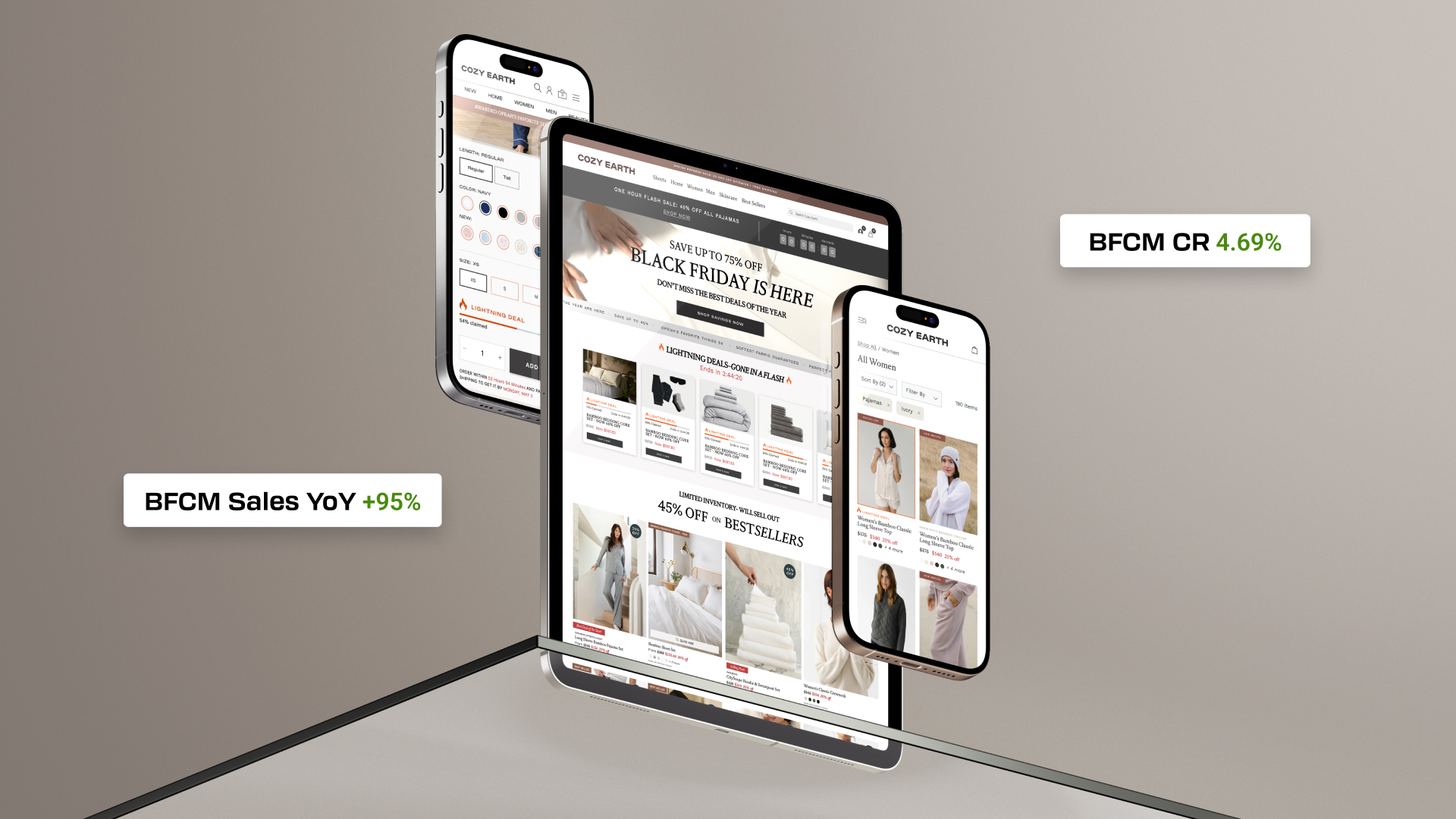
For their Black Friday sale, we helped our clients at Cozy Earth run a Lightning Deals promotion using dynamic numbers for impact.
Using Scarcity
While scarcity and urgency aren’t the same, they often work together. Scarcity reinforces the idea that offers are limited and once they’re gone, they’re gone. Scarcity works especially well for products that don’t restock often or services that are capacity-limited. Some common tactics for conveying scarcity are low stock labels, online exclusive offerings, limited edition product lines, and member-only tags.
Urgency Messaging and Trust
Urgency is only effective when it’s honest. Nothing destroys trust faster than fake countdown timers, false “low stock” messages, or overused urgency banners that never seem to go away. If customers sense that urgency is being used manipulatively, they’re less likely to trust your brand and less likely to be repeat customers.
Authenticity not only builds credibility but also makes your urgency messaging more impactful when it is used. Some best practices for trust-driven urgency include avoiding “always on” flash sales, being transparent if a product is back in stock, and only using countdown timers for real-time deals.
Urgency Messaging Examples
Countdown Timers
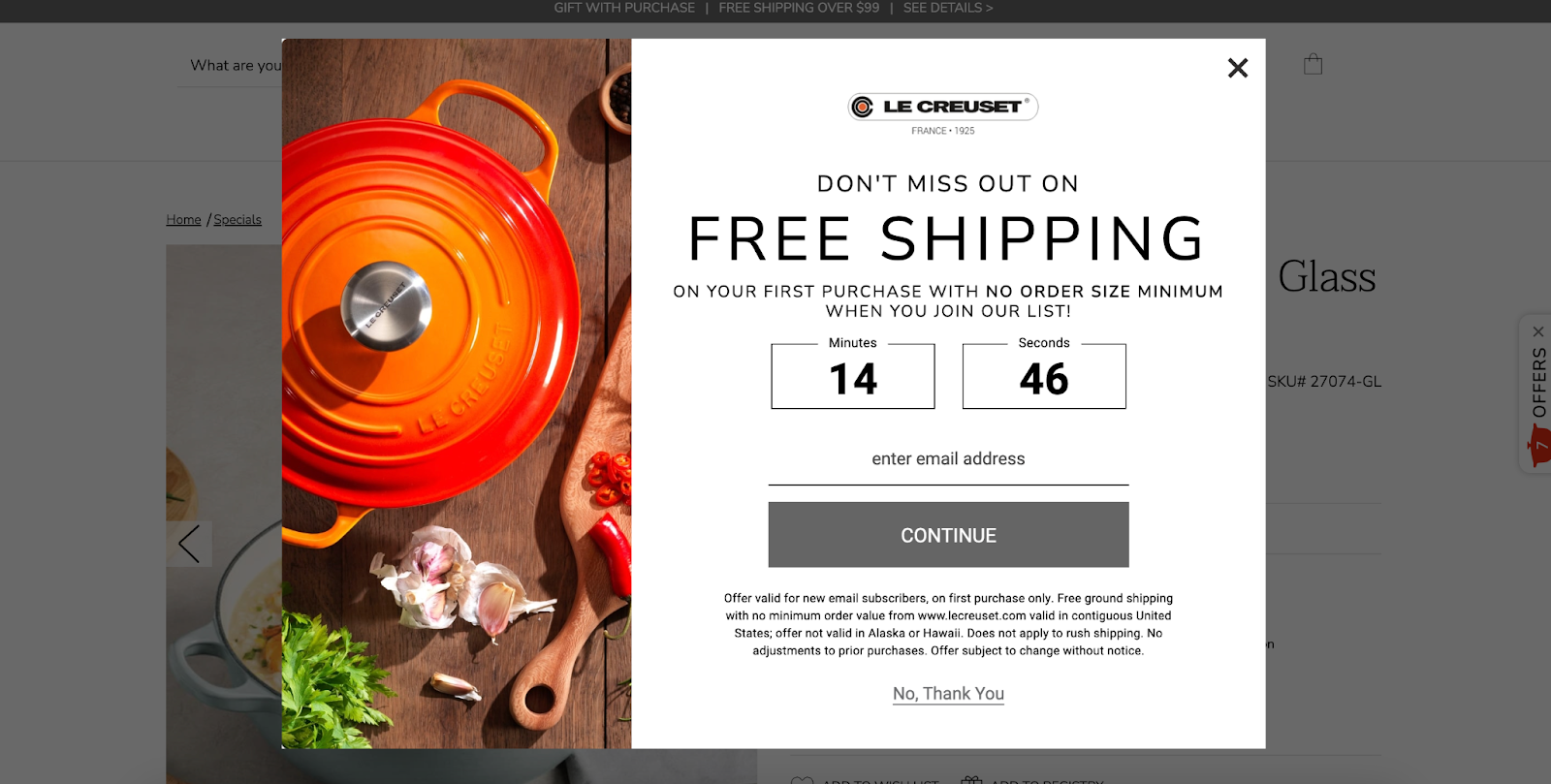
Countdown timers visually reinforce a sense of time pressure and are especially useful for promotions, cart expirations, product launches, or limited-time bonuses. Le Creuset uses a countdown timer pop-up offering free shipping to new customers if they sign up for their newsletter. By displaying the timer prominently and creating a time-bound discount, they effectively generate a sense of urgency around the offering.
Limited Stock Badges
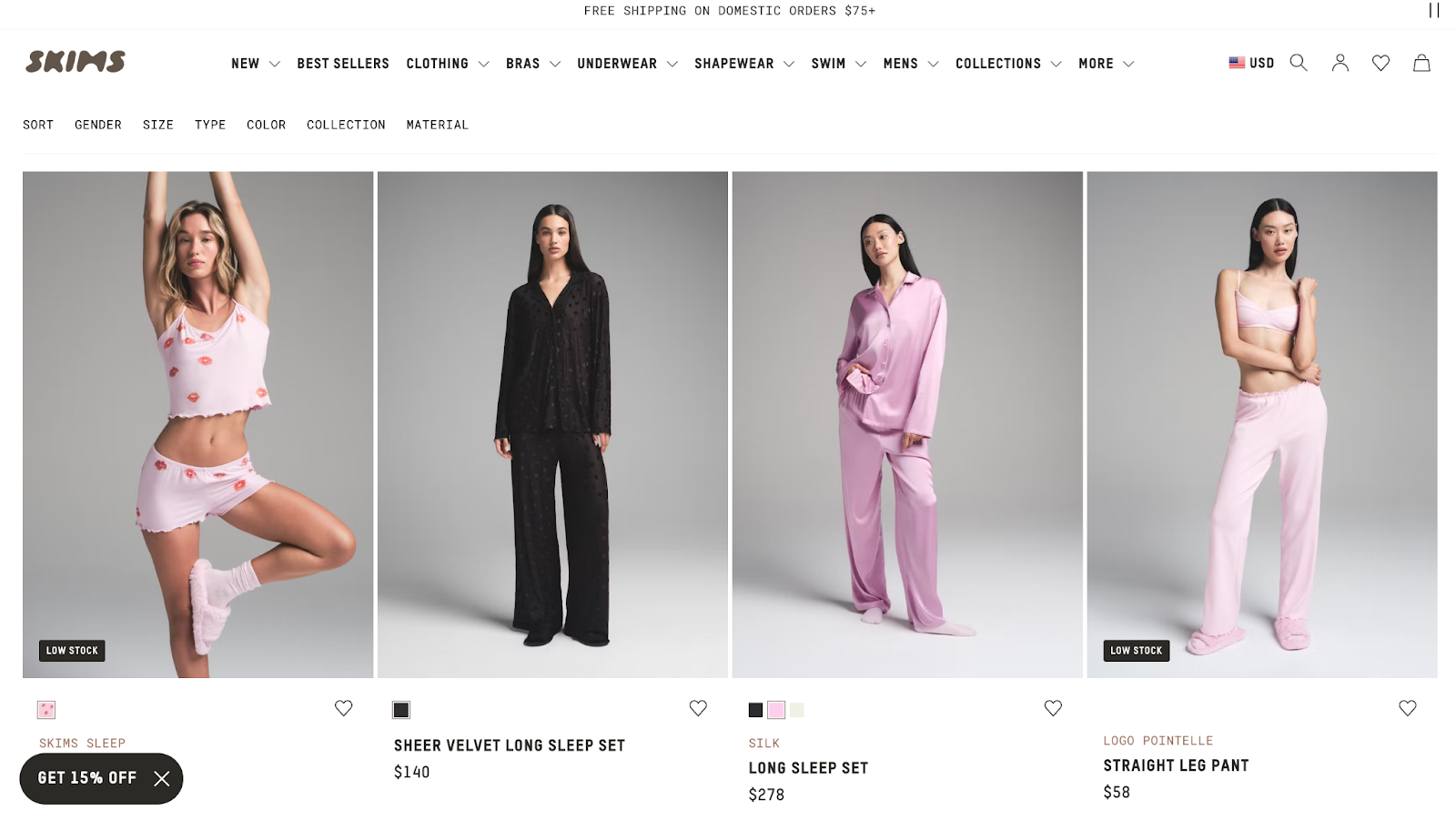
Skims applies a low stock badge to all products that are selling quickly and have limited stock available, effectively creating a sense of urgency through scarcity.
Combining Urgency and Social Proof
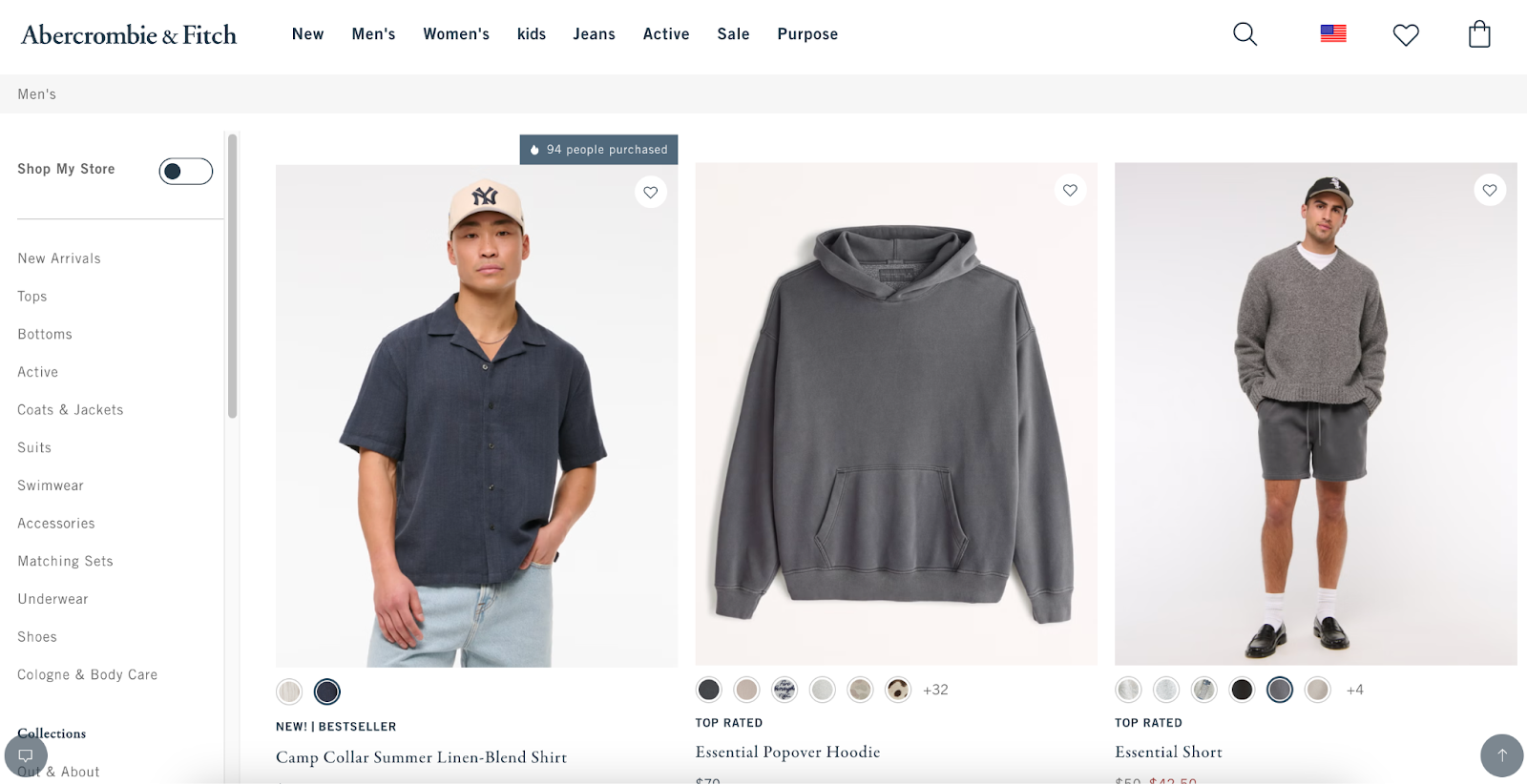
Abercrombie combines urgency and social proof by adding tags on popular products, showcasing how many people have recently purchased the product. This tactic both creates a sense of urgency while also easing any customer doubts about the product. When telling visitors that many people have bought this product, it makes it trustworthy and desirable for the consumer.
Online-Only Sales
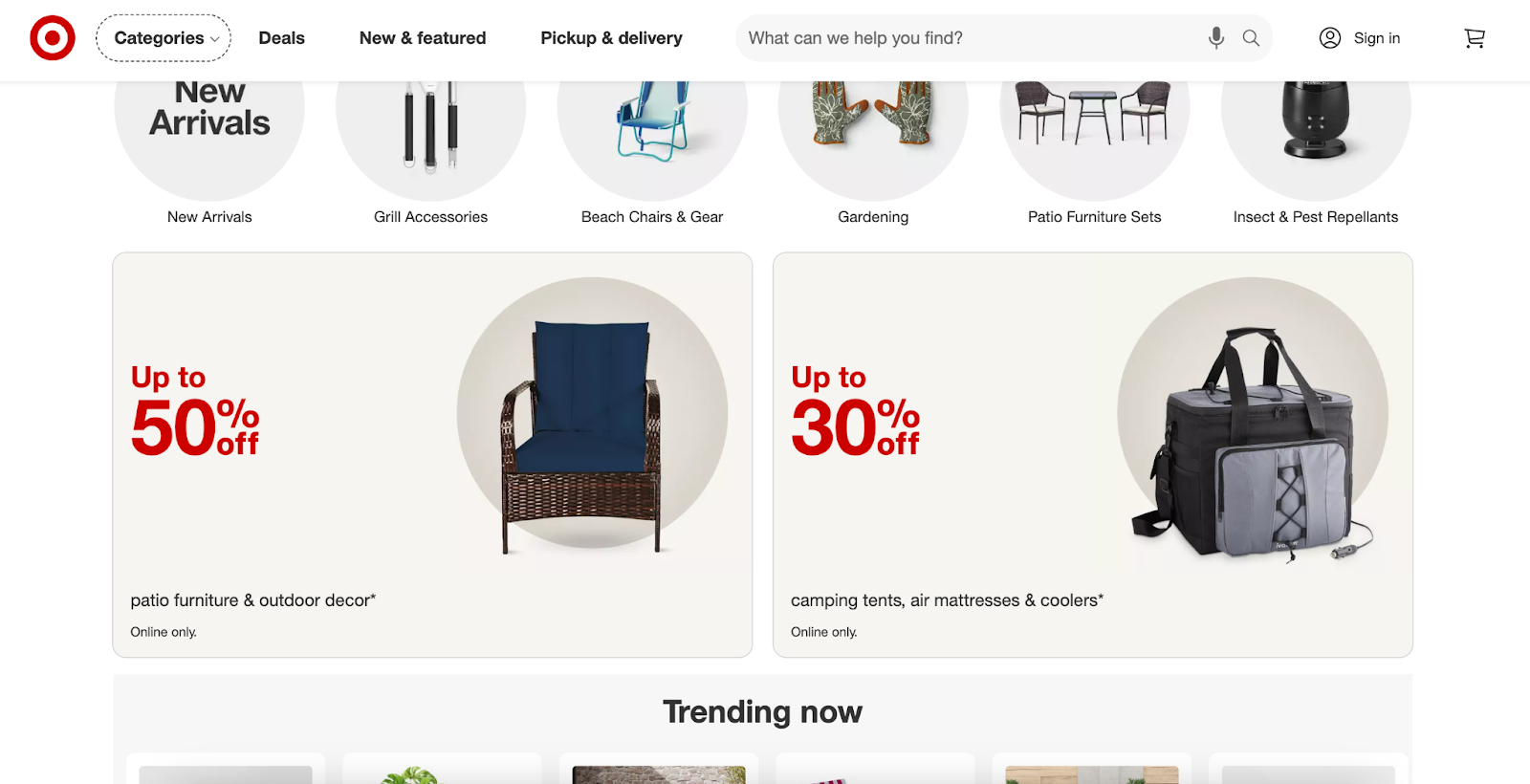
Target generates a sense of urgency through exclusivity and scarcity. On their website, they offer certain discounts that are only available to online shoppers, increasing perceived value and motivating action.
Limited Edition Products
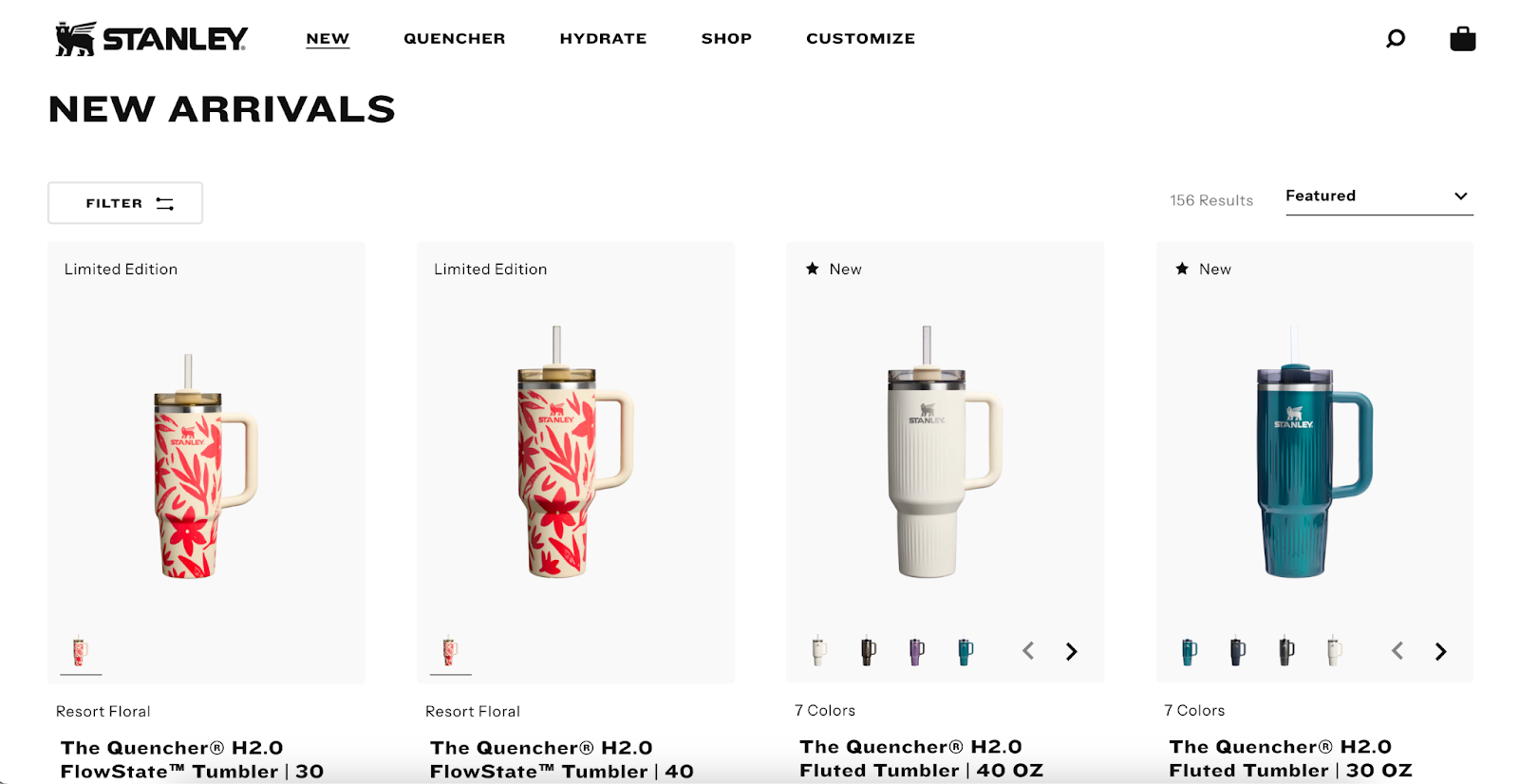
Stanley frequently drops limited-edition product lines to generate urgency. Many of their limited edition lines are one-time collaborations with other brands, forcing customers to buy quickly before the offering ends or the product sells out.
Urgency messaging: do vs don’t
Do
Use real constraints (inventory, delivery windows, campaign deadlines)
Keep urgency specific and transparent
Test urgency by page type and traffic source
Don’t
Use fake countdowns or recycled “ending soon” claims
Stack multiple urgency messages on every page
Let urgency override clarity in product information
Conclusion
Urgency is a powerful tool for boosting conversions, but it only works when it’s used transparently and intentionally. Whether you’re launching a flash sale or trying to re-engage cart abandoners, the goal isn’t to pressure people, but to help them recognize the value and act while that value is still available.
It’s also never too early to start planning your urgency-driven promotions for high-impact sales periods like Black Friday and Cyber Monday. Thoughtfully crafted messaging, backed by data and strategy, can make a significant difference when competition is at its peak.
At Udundi, we help brands use urgency the right way throughout conversion rate optimization retainers. From a free site audit to strategy, UI/UX design, development, A/B testing, and implementation, we handle everything you need to create urgency that converts without compromising trust. Reach out if you’re ready to turn urgency into consistent, confident growth.
FAQs
What type of urgency performs best for e-commerce?
Authentic urgency tied to inventory, shipping windows, or time-limited offers generally performs best because it is both relevant and believable.
Can urgency messaging hurt long-term brand trust?
Yes, if urgency is misleading or overused. Keep claims accurate and use urgency where it matches real constraints.
How should urgency be tested?
Test one message at a time on high-traffic pages, measure impact on conversion and revenue, and keep variants live long enough for reliable results.